Yes, millions of visitors enjoy Sri Lanka without any problems, and most trips are trouble-free. Like anywhere, it has risks worth knowing about: petty theft, scams, busy roads, rough seas, wildlife and the monsoon. This guide sets out the main ones in plain language, with simple ways to avoid them. It is based on official travel advice and local experience, and it was written in October 2026.
Always check the latest official advice before you travel. Conditions can change. The UK’s Foreign, Commonwealth and Development Office (FCDO) advice for Sri Lanka is updated whenever something changes.
The short answer
- Violent crime against tourists is rare. Low-level theft and scams are the most common problems.
- Roads are the biggest everyday risk. Driving is fast and erratic, and accidents are frequent, especially at night.
- The sea needs respect. Many beaches have strong currents at certain times of year.
- Wildlife is wild. Go on safari with a guide, and keep your distance from elephants.
- Take out travel insurance that covers your itinerary, activities and medical treatment.
Crime and scams
Official advice says opportunistic crime, such as bag snatching and card fraud, has increased, while violent crime against foreigners is rare. A few habits help.
- Keep valuables out of sight. Lock passports and spare cash in your hotel safe, and carry only what you need.
- Watch your bag in towns. Thieves on motorbikes have snatched bags from people walking beside the road, so carry your bag on the side away from the traffic.
- Use ATMs inside banks or hotels, check machines for tampering, and keep your card in sight when you pay.
- Agree a tuk-tuk price before you set off, or use one with a working meter. Ask your hotel what a fair price is.
- Be wary of “helpful” strangers who offer to take you to a shop, gem dealer or “special” ceremony. If someone insists, politely say no.
- Look after your drink. Do not take drinks from strangers, and do not leave yours unattended.
Is Sri Lanka safe for solo travellers and women?
Many solo travellers, including many women, travel around Sri Lanka without any problems. Official advice does note that women have reported harassment, including sexual assault, and that most reported cases happen in crowded places such as markets, bus and railway stations and tourist sites. Some simple choices reduce the risk.
- Take extra care in crowds, and consider carrying a personal alarm.
- Choose accommodation with good reviews, and share your plans with someone at home.
- At night, use a trusted driver or a taxi booked through your hotel, and change vehicles if you feel uncomfortable.
- Dress modestly at temples and in smaller towns, where it is expected.
Travelling with a private driver removes most of the transport worries, because the same person drives you from place to place. Read more in our guide to solo travel in Sri Lanka.
Road safety
Driving in Sri Lanka is busy and fast, with buses, tuk-tuks, motorbikes and animals sharing the road. Official advice warns of frequent accidents, especially at night, and says motorbikes are especially dangerous.
- Avoid renting a motorbike or scooter unless you are experienced, licensed and insured.
- Avoid long drives after dark.
- Foreign visitors who drive themselves need the right permits, so many visitors hire a car with a driver instead.
- Stop at security checkpoints, and follow the instructions of police and soldiers.
A private driver who knows the roads and plans sensible daily distances is the simplest way to travel safely. See our private driver tours.
Swimming and the sea
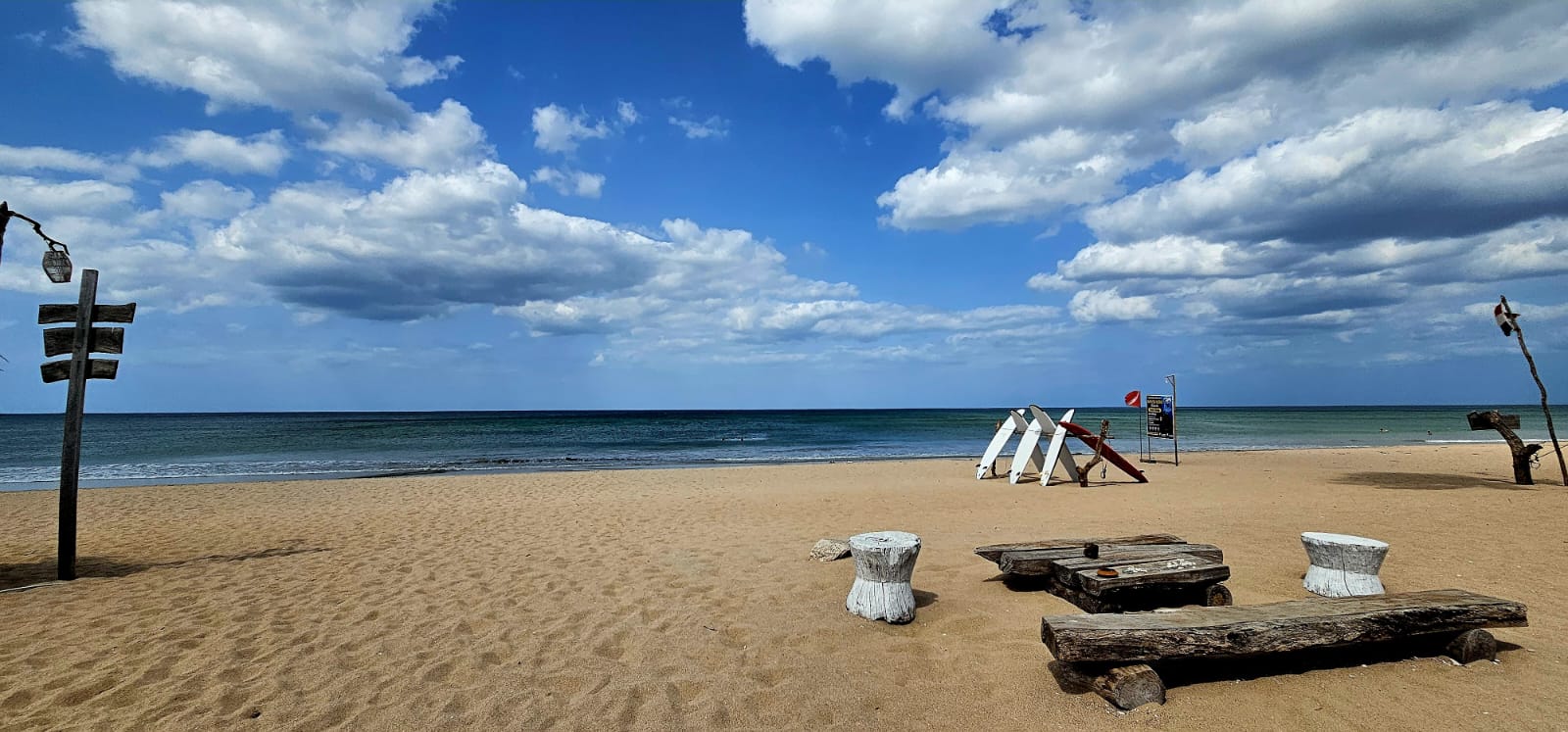
Many beaches have strong surf and rip currents at certain times of year, especially during the monsoon. Calm bays are the safest choices.
- Ask your hotel or driver about the day’s sea conditions before you go in.
- Swim where other people are swimming, and follow any warning flags.
- Avoid swimming alone, after drinking alcohol, or in rough water.
See our best beaches in Sri Lanka guide for calm bays and the best months for each coast.
Wildlife
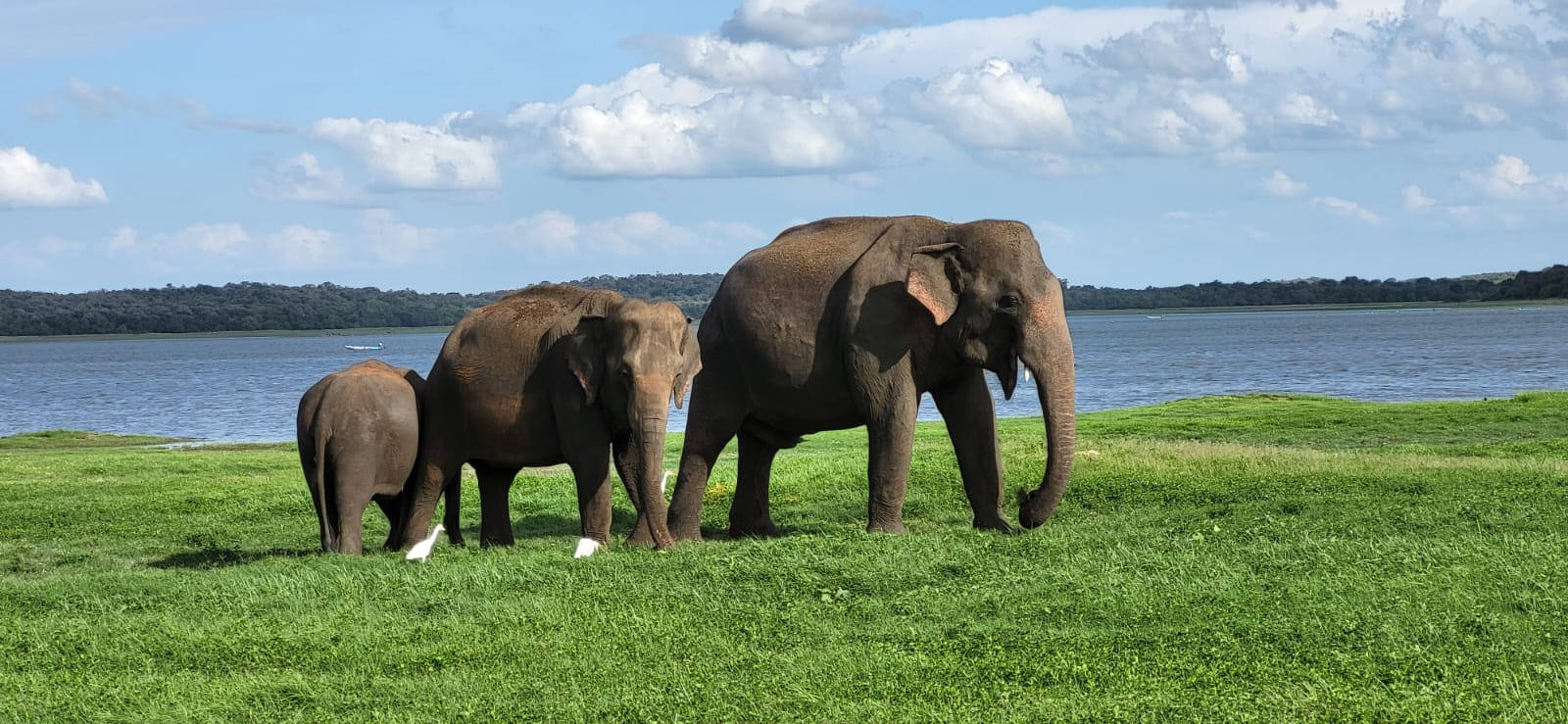
Sri Lanka has wild elephants, leopards, crocodiles, snakes and many stray dogs. Wild elephants and crocodiles do occasionally attack people, and stray dogs can carry rabies.
- Go on safari with an authorised guide and a licensed jeep, in a national park such as Yala or Udawalawe.
- Stay in the vehicle, keep your distance from elephants, and do not feed any animals.
- Do not touch or play with stray dogs. Get medical advice quickly if you are bitten or scratched.
- Use a torch at night, and wear closed shoes on forest paths.
Health
- Vaccinations: check the latest advice on TravelHealthPro or with your doctor at least eight weeks before you travel.
- Mosquitoes: dengue and other mosquito-borne illnesses occur in Sri Lanka. Use repellent and cover up at dusk, especially in the rainy season.
- Food and water: drink bottled or filtered water, and choose busy restaurants with freshly cooked food.
- Medical care: good private hospitals are in Colombo and the larger towns, but emergency treatment outside the main cities may be limited, and a transfer may be needed. The ambulance number is 1990.
- Insurance: make sure your policy covers medical treatment and emergency evacuation.
Weather, floods and the monsoon
Heavy rain can cause flooding and landslides, especially in the hill country, and can disrupt roads and trains. The island has two monsoons, so while one coast is wet the other is usually dry. Check our best time to visit Sri Lanka guide, and keep your plans flexible. Sri Lanka Tourism runs a 24-hour hotline on 1912.
Protests and security
Protests can happen at short notice, and some have turned violent in the past. Avoid demonstrations and large gatherings, and follow local news. Official advice also says that terrorist attacks cannot be ruled out, as in many countries, and advises staying aware of your surroundings in crowded places. The situation can change, so check the current advice before you travel.
Temple and cultural etiquette
Dress modestly at temples, with shoulders and knees covered, and remove your shoes and hat. Never pose with your back to a Buddha statue or treat religious images as decorations. Our Sri Lanka travel instructions cover etiquette, clothing and what to pack.
How a private driver helps
A private driver cannot remove every risk, but they make a trip easier. Your driver handles the roads, knows which routes are open, can adjust the plan if the weather changes, and is a local contact when you need advice. We plan every itinerary around your dates, so send us your dates and any worries, and we will plan a route you are comfortable with.
Before you book, read our Sri Lanka visa guide for entry requirements.
Planning a trip with children? See our Sri Lanka family holidays page for a family route and tips.
Frequently asked questions
Is Sri Lanka safe for tourists?
Yes, most visitors have trouble-free trips. Take sensible precautions against petty theft and scams, take care on the roads and in the sea, and check the latest official advice before you travel.
Is Sri Lanka safe for solo female travellers?
Many women travel alone in Sri Lanka without problems, but harassment has been reported, mostly in crowded places. Use trusted transport at night, choose well-reviewed accommodation and take extra care in crowds.
Is it safe to drive in Sri Lanka?
Driving is fast and erratic, and accidents are frequent, especially at night. Most visitors hire a car with a driver instead of driving themselves.
Is the tap water safe to drink in Sri Lanka?
No. Drink bottled or filtered water, and avoid ice if you are unsure of its source.
Is it safe to swim at Sri Lankan beaches?
It can be, in calm bays and in the right season. Currents can be strong, especially during the monsoon, so ask your hotel about the day’s conditions.
Do I need vaccinations for Sri Lanka?
Check the latest advice on TravelHealthPro or with your doctor at least eight weeks before you travel.
Is Sri Lanka safe for families?
Yes, with the usual precautions. Choose calm beaches for children, keep them away from wildlife, use sun protection and mosquito repellent, and plan sensible driving distances.